
Heart rate & HRV
Continuous, ECG-comparable accuracy. Detects cardiovascular stress and autonomic nervous system dysregulation — a key biomarker linked to PTSD.
30–220 BPM range
When the uniform comes off, the mission doesn't end. Optimus OS is the always-on health intelligence platform designed to keep veterans connected, monitored, and supported — before crisis arrives.
The health crisis doesn't begin at deployment. It begins the day the uniform comes off, often quietly, and often unmonitored.
veteran suicides every day in the U.S.
of male veterans are overweight or living with obesity
service members separate every year, largely unprotected
One band. A continuous stream of raw signal. A platform that turns it into something a person — and their care team — can actually act on.
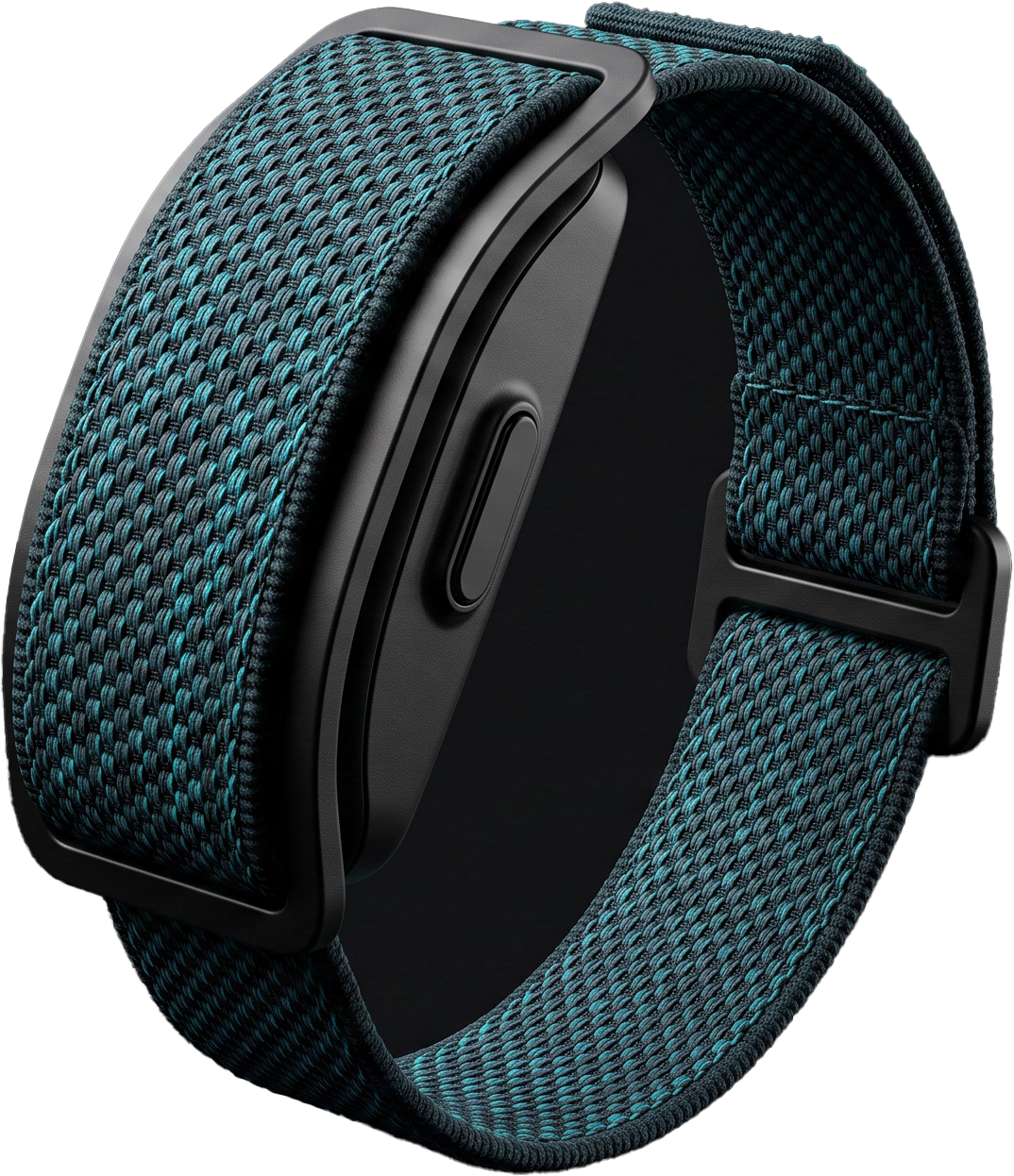
A comfortable, always-on band built around a medical-grade sensor — not a fitness-tracker chipset repurposed for health claims.
Raw waveform data — not a pre-smoothed summary — streams off the wrist, preserving the detail that research-grade analysis needs.
Biometric-driven signals route to the right place at the right clinical moment — from a personal app to a care team's dashboard.
Every metric is captured passively, from the wrist, with no appointment required.
Continuous, ECG-comparable accuracy. Detects cardiovascular stress and autonomic nervous system dysregulation — a key biomarker linked to PTSD.
Monitors HRV patterns, cortisol-linked stress markers, and hyperarousal signatures clinically associated with post-traumatic stress and traumatic brain injury.
Deep sleep staging, sleep-debt tracking, and REM disruption detection — critical windows for mental health and cognitive recovery.
VO₂ max estimation, caloric output, step count, and movement patterns, benchmarked against veteran health outcomes.
Real-time stress scoring from HRV, skin conductance, respiratory rate, and movement, combined into a single resilience signal.
Raw PPG waveform analysis for arterial health — flagging early cardiovascular risk, which runs meaningfully higher in the veteran population.
No screens demanding attention. No daily ritual required. It's just on — and it's the product people actually keep wearing.
The band captured sleep stages overnight. A summary is ready in the app, if you open it.
The band is on. No interaction needed, no screen demanding attention.
Open the app for current heart rate, activity, and stress trend. Or don't — it's optional.
Signals stream to the platform in the background. There's nothing for you to do.
Once a week, 90 minutes on the charger. The rest of the time, it's on the wrist.

Veterans face cardiovascular risk, PTSD, and TBI at rates far higher than the general population — and most of it goes unmonitored the moment service ends. There are no daily check-ins once the uniform comes off. No one watching the trend line.
Optimus OS exists to change what "checking in" means: not a phone call or a form, but a continuous, passive signal that can flag a dangerous pattern — a stress spike, a sleep collapse, a sign of isolation — before it becomes a crisis. The band alerts. It never decides for you.
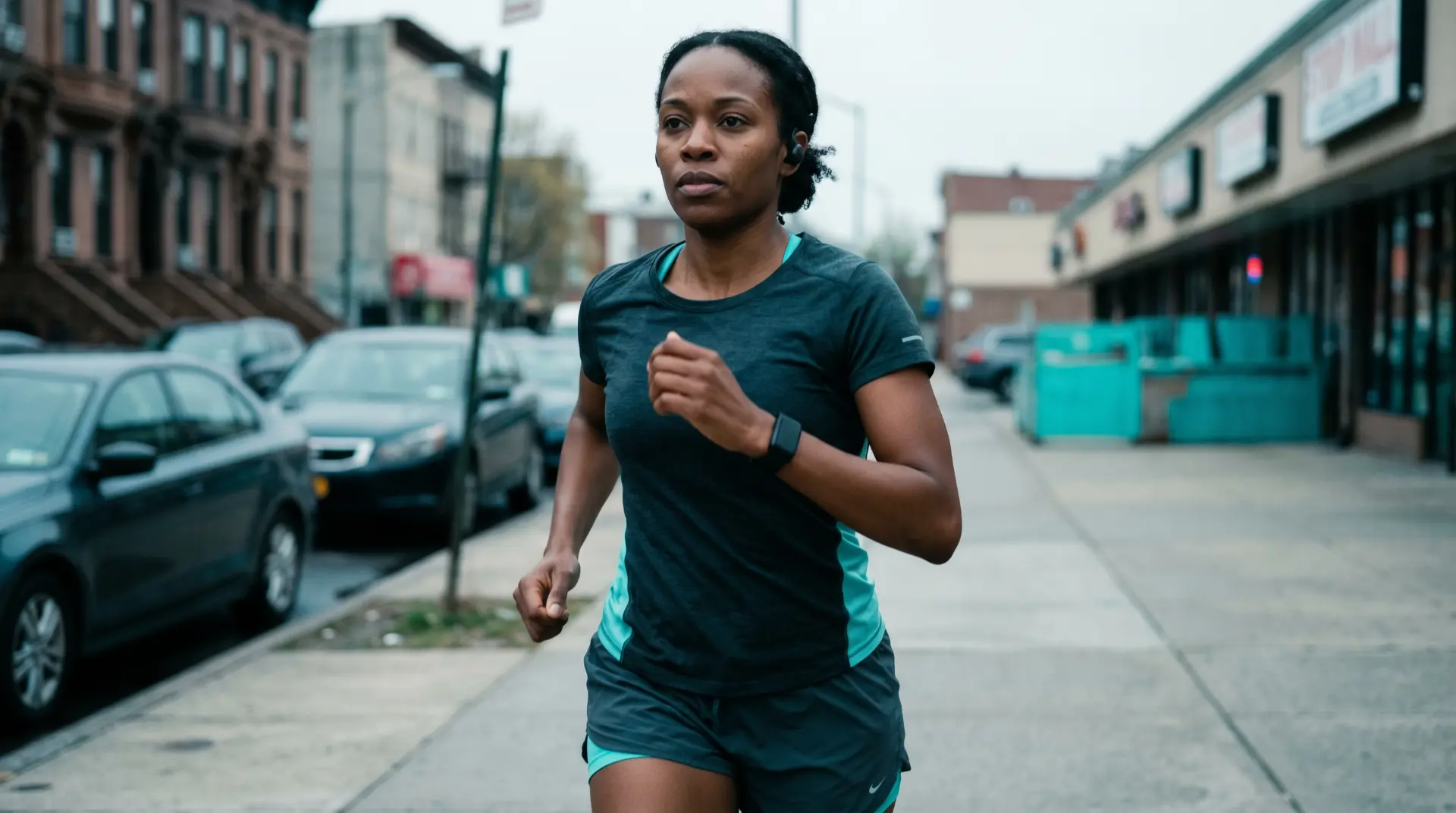
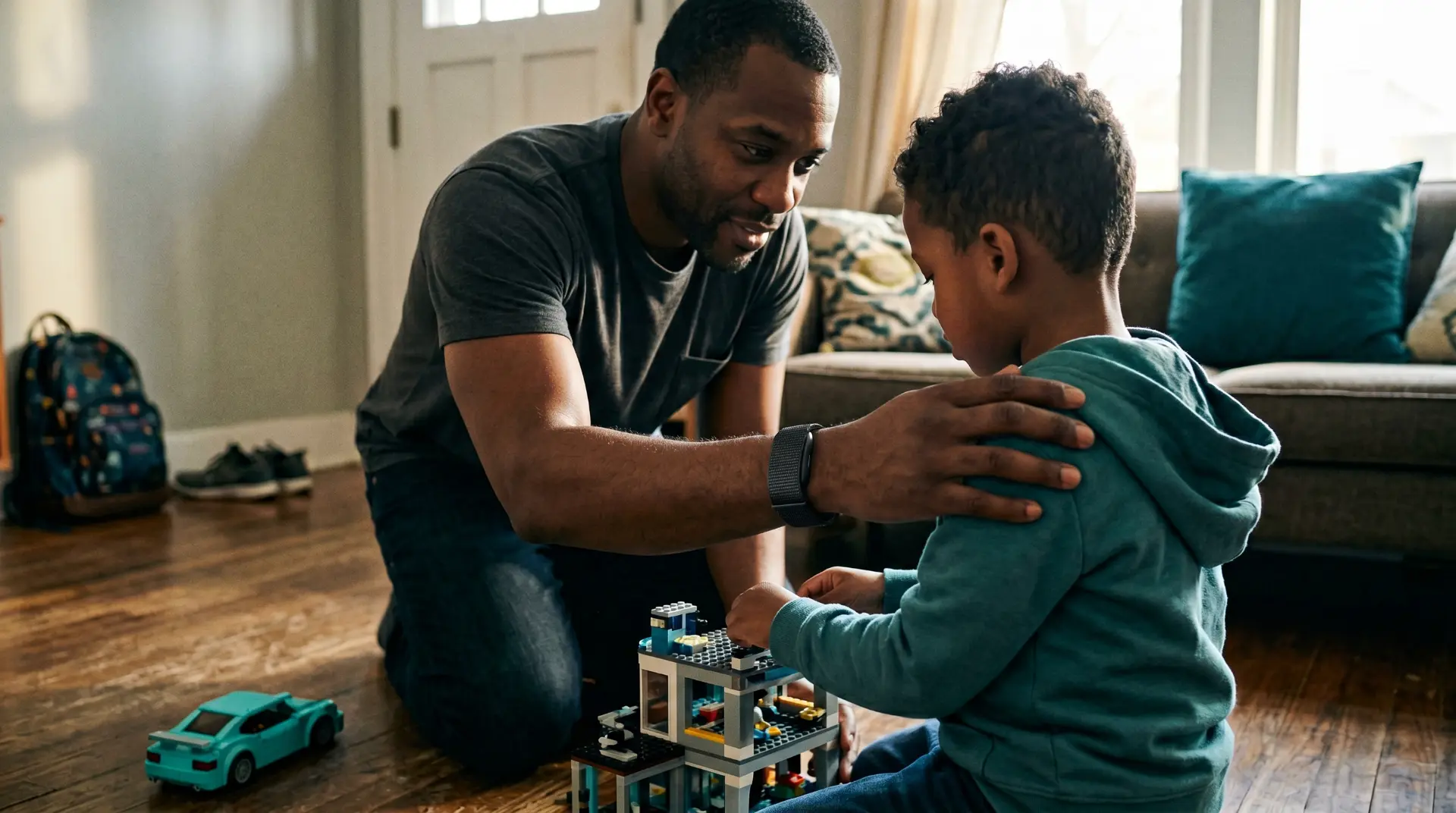
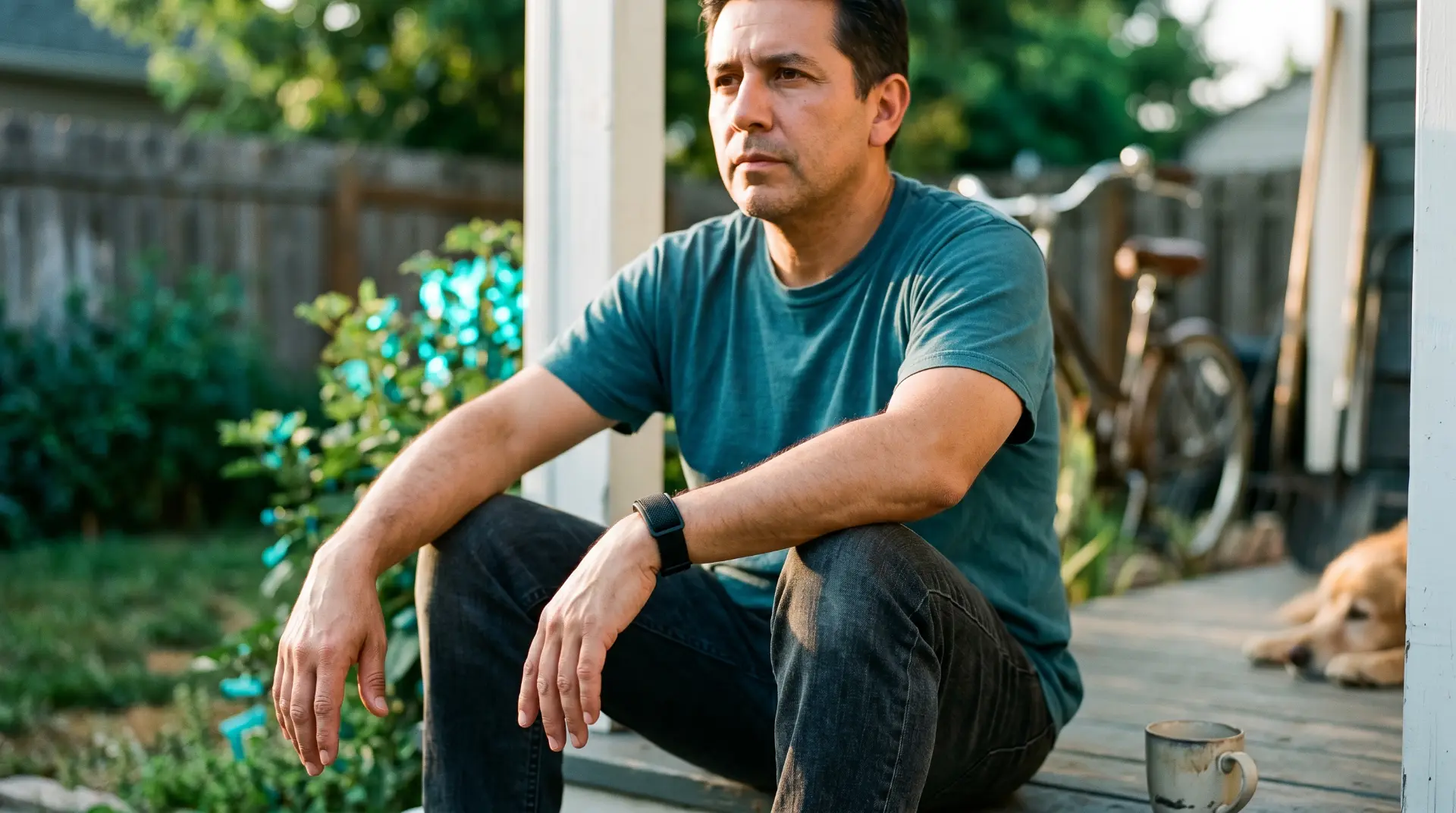
Optimus OS isn't a hospital device you strap on for an appointment. It's built to disappear into an ordinary day.

Optimus OS is in development. Join the waitlist and we'll bring you along as it's built: early looks at the hardware, a chance to shape the app, and first access when pilots open up.